
About Neurology
Understanding Brain, Spine and Nerve Health
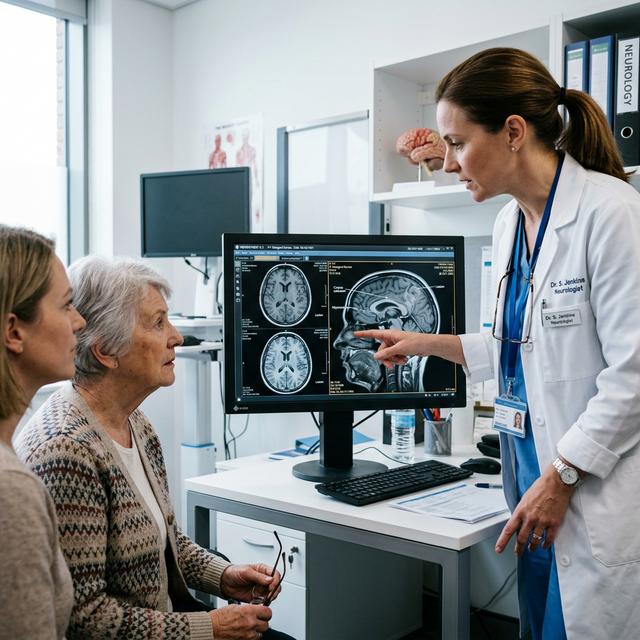
Neurology is a specialized branch of medicine that focuses on the diagnosis and treatment of disorders affecting the brain, spinal cord, nerves, and muscles. The nervous system plays an important role in controlling movement, memory, speech, emotions, coordination, and other essential body functions.
A neurologist is a medical specialist who helps identify and manage neurological conditions that may affect a person's daily life. From frequent headaches and migraines to epilepsy, stroke, and nerve disorders, neurology focuses on understanding the underlying causes of these conditions and providing appropriate medical care.
Common Neurological Conditions

Migraine and Headaches
Neurological conditions that can cause recurring headaches, severe head pain, nausea, and sensitivity to light or sound.
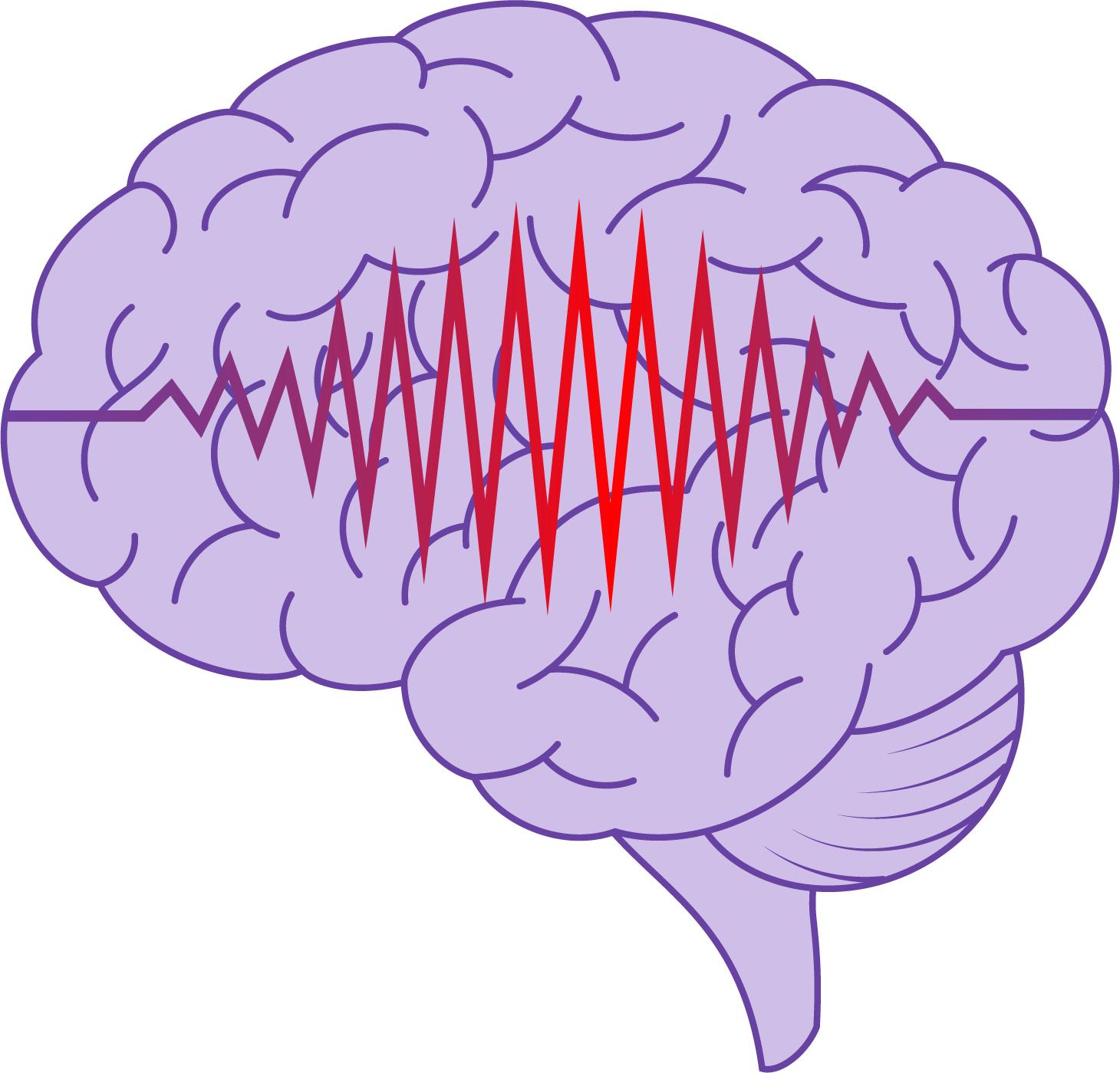
Epilepsy
A neurological disorder characterized by repeated seizures caused by abnormal electrical activity in the brain.
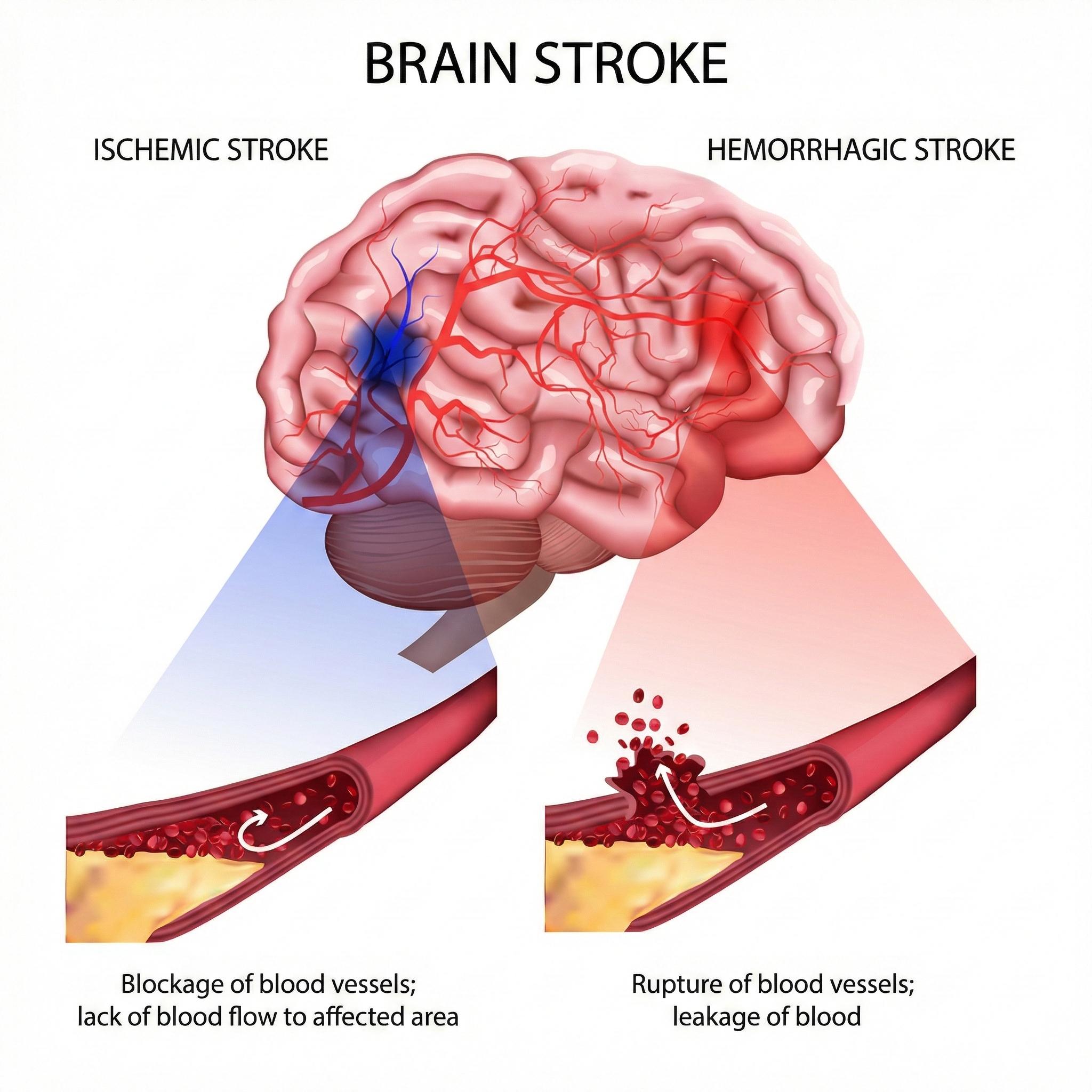
Stroke
A medical emergency that occurs when blood supply to part of the brain is interrupted or when bleeding occurs in the brain.
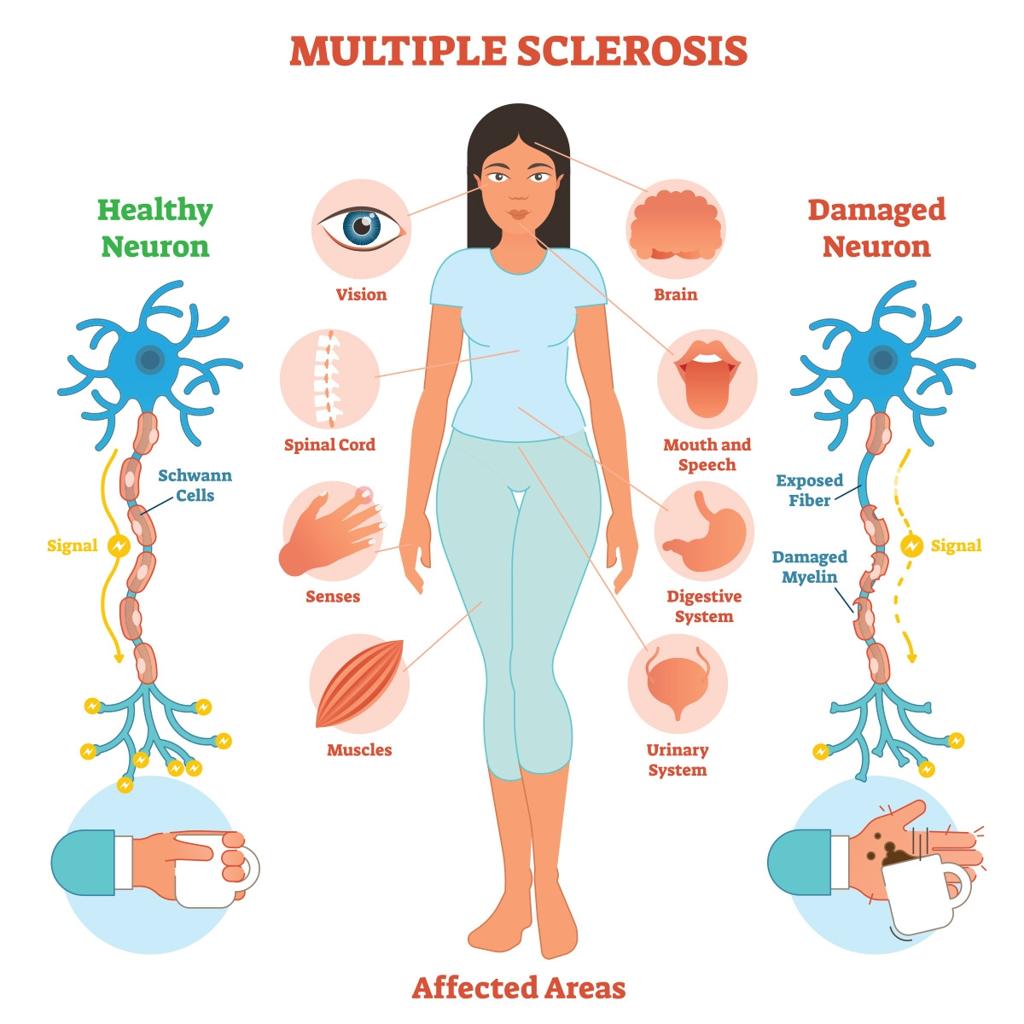
Multiple Sclerosis (MS)
A condition in which the immune system damages the protective covering of nerves, potentially affecting vision, movement, and coordination.
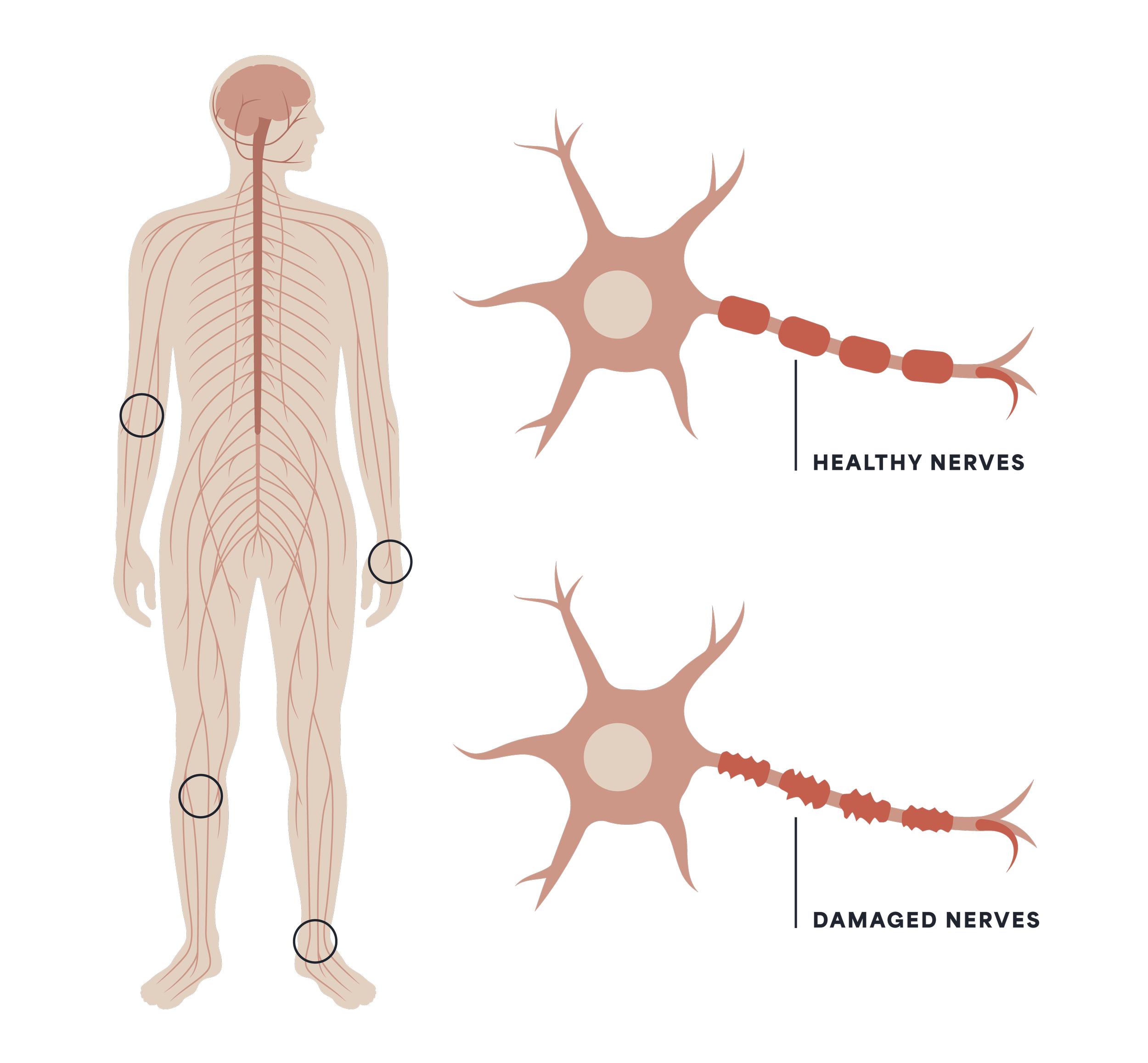
Neuropathy
Nerve damage that can cause tingling, numbness, burning sensations, pain, or weakness in different parts of the body.